Effortless Style for Your Brand: The Fashion Canva Instagram Template
Let’s be real for a second. You’ve got the vision, the product, or the service. You know your audience is scrolling through Instagram, but your feed looks… inconsistent. One post uses a cool sans serif, the next a busy script, and the colors don’t quite match. You’re spending more time wrestling with design software than actually building your business. What if you could lock down a polished, professional aesthetic for your entire Instagram presence in an afternoon, not a month? That’s the core promise of a well-structured template pack, and it’s exactly why a resource like the Fashion Canva Instagram Template is becoming a quiet game-changer for creators and entrepreneurs.
Beyond Just Pretty Pictures: What This Template Pack Actually Is
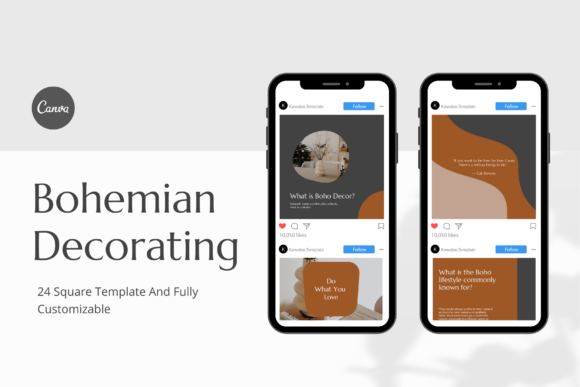
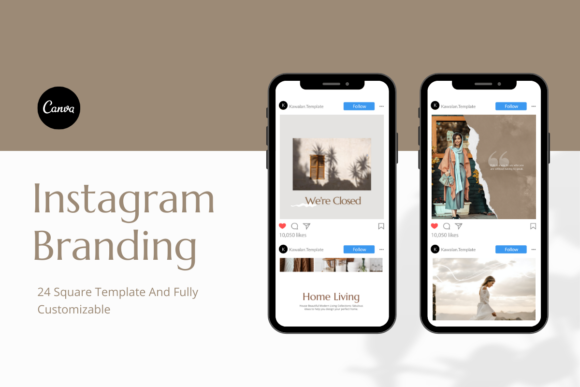
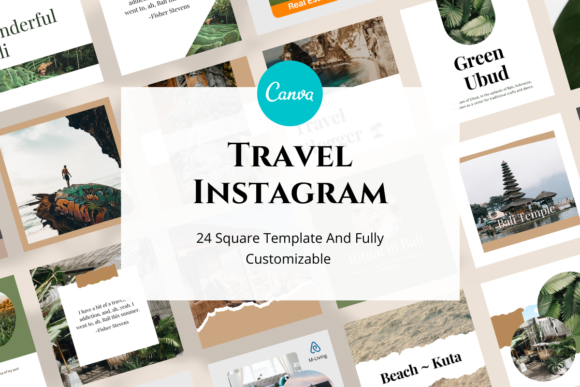
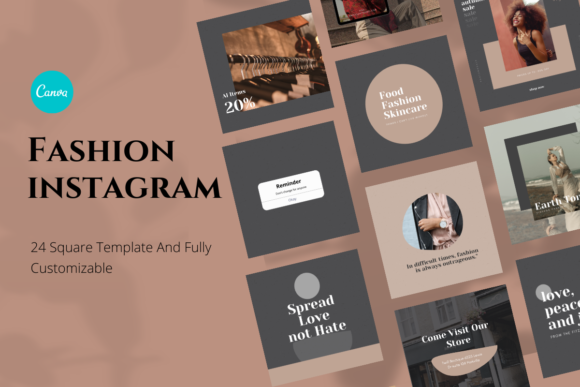
Think of this not as a single image, but as a complete visual system for your social media. It’s a curated collection of 24 distinct designs, all built in Canva and sized perfectly for Instagram’s square post format (1080x1080 pixels). The “fashion” in the name speaks to a modern, clean, and visually appealing aesthetic, but its utility goes far beyond clothing brands. The real value lies in its structure. Each template provides a blueprint—a layout for your text, images, and graphic elements—that you can instantly make your own. You’re not starting from a blank canvas; you’re starting from a place of proven design logic.
The practical details are what make it accessible. Everything is editable within Canva’s free account. The fonts used are Canva’s built-in library, so there’s no need to purchase or upload a premium font. You can swap out placeholder images with your own product shots or brand photos, change the background color to match your palette, and rewrite every single word to fit your message. It’s a promotional kit that removes the guesswork of composition and visual hierarchy, letting you focus on the content that matters.
From Coach to Crafter: Real-World Applications That Save Time
So, who is this for? Imagine you’re a life coach. You could use 24 templates to plan a month’s worth of content: client testimonials, inspirational quotes, service announcements, Q&A session graphics, and behind-the-scenes glimpses. Each post would look like it belongs on the same feed, building a cohesive brand identity that communicates professionalism and reliability. The visual consistency helps with brand recognition; your followers will start to recognize your posts in their busy feeds instantly.
For a small product-based business, like a handmade jewelry maker or a local bakery, the templates solve the constant need for promotional graphics. You can create a “New Arrival” post, a “Sale” announcement, a “How It’s Made” carousel, and a “Customer Spotlight” feature, all with a unified look. This isn’t just about aesthetics; it’s about efficient marketing. You’re presenting your products in a clean, organized way that enhances readability and makes your key messages—the price, the offer, the product benefit—immediately clear.
Building a Visual Language: More Than Just Social Media
While the primary format is for Instagram, the design elements within these templates have a life beyond the square. Let’s break down the potential. The color schemes and font pairings established in your templates can directly inform your logo design and overall brand identity. The layout logic—how text and imagery interact—can be adapted for your website’s blog post graphics or email newsletter headers.
Consider the versatility:
- Packaging & Merchandise: Use the design motifs on thank you cards, stickers, or packaging inserts.
- Print Materials: Adapt a template layout for a simple poster or flyer for a local event.
- Digital Products: Create cohesive covers for your e-books, worksheets, or online course modules.
- Invitations & Editorial Layouts: The clean typography and balanced layouts are perfect for digital invitations or mood boards for clients.
Essentially, you’re using the Instagram templates as a sandbox to develop your core visual assets. This creates a seamless experience for your audience, whether they’re seeing you on social media, your website, or a physical item in the mail. It’s a practical step toward a holistic brand identity, built from accessible design assets.
Making It Yours: Practical Tips for Customization
Having the templates is one thing; making them work for your brand is the next step. Start with your brand’s color palette. Don’t just pick colors you like—use the exact hex codes from your logo or website to replace the template backgrounds and accent colors. This single action will instantly tie the designs to your existing identity.
Next, consider your typography. While the template uses Canva’s free fonts, you should still think about font pairing. If your brand voice is modern and direct, you might stick with a strong sans serif for headlines and a clean, readable sans serif for body copy. If your brand is more elegant or editorial, you could pair a serif display font with a simple sans serif. The key is consistency across all 24 templates. Don’t use five different headline fonts; choose one or two and commit to them for a cohesive feed.
Finally, think about your imagery. The templates include placeholder images for a reason—they show you the ideal composition and focus area. When you replace them, ensure your photos are high-quality and follow a similar style. Are your product shots on a clean background? Do your personal brand photos have a consistent filter or lighting? Aligning your imagery with the template’s design intent will give you that professional presentation that stops the scroll.
The Fashion Canva Instagram Template, at its heart, is a toolkit for visual communication. It’s for the entrepreneur who knows strong branding matters but lacks the time or design budget to build it from scratch. It provides a structured yet flexible foundation, allowing you to inject your unique brand personality into a proven framework. The result is a social media presence that looks intentional, professional, and engaging—freeing you up to focus on what you do best: running your business and connecting with your audience.